
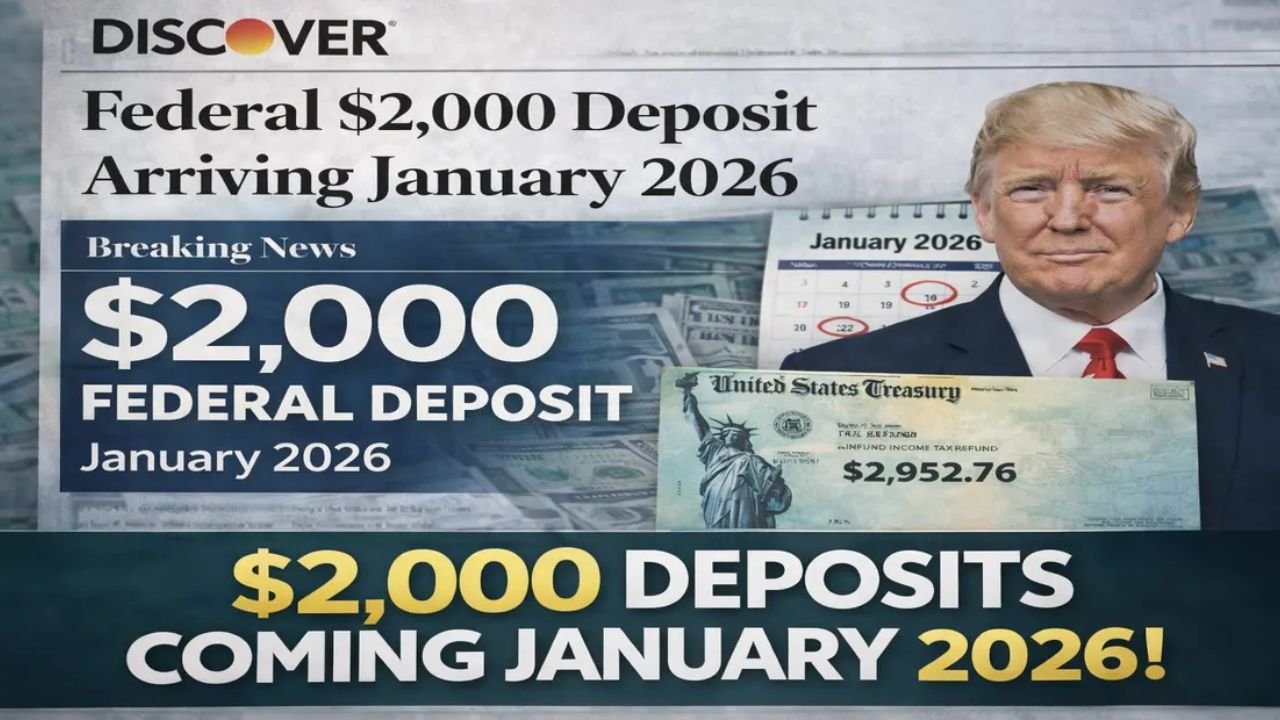
If you’ve seen headlines, texts, or social media posts about a Federal $2,000 Direct Deposit coming in January 2026, you’re not alone. The buzz is real, and so is the hope it sparks. But before you start planning what to do with that cash, it’s important to separate fact from rumor. Here’s a clear, practical guide on what this payment is, who might qualify, and what steps you can take now.
What Is This $2,000 Payment?
Let’s be upfront: there is no universal $2,000 direct deposit for every American scheduled for January 2026. The headlines you’re seeing likely oversimplify or misinterpret ongoing relief programs. What’s actually happening are targeted financial support measures, either proposed or extended, designed to help specific groups of people.
Examples of programs that may be behind the buzz include:
- Expanded Earned Income Tax Credit (EITC) or Child Tax Credit payments.
- Federal or state-level energy and utility assistance programs.
- Supplemental Security Income (SSI) or Social Security benefit adjustments.
- State-specific stimulus payments for residents impacted by inflation or unique economic challenges.
The key is targeted relief, not a blanket payment for all. Think of it like a watering can for the areas that need it most.
Who Might Qualify? The Beneficiary Breakdown
Eligibility depends entirely on the program behind the $2,000 rumor. Based on previous relief measures, these groups are often the primary beneficiaries:
- Low-to-Moderate Income Families and Individuals: Income thresholds, often measured via Adjusted Gross Income (AGI) from tax returns, determine eligibility. Those under certain income limits are usually prioritized.
- Parents and Caregivers: Child-related credits, like the Child Tax Credit, may provide additional payments per dependent child, typically under age 17.
- Seniors and Disabled Individuals: Increases to SSI or Social Security payments target these groups directly. Official SSA communications will confirm details.
- State Residents with Specific Programs: Some states offer rebates or targeted stimulus. Qualification depends on residency, state tax filings, and income rules.
- Individuals Facing Hardships: Programs for emergency housing, utility arrears, or healthcare costs often require documentation to prove eligibility.
How to Verify and Claim Your Payment
Rumors can be misleading, so it’s crucial to rely on official sources. Here’s your roadmap:
- IRS (irs.gov): For federal tax-related credits and payments.
- Benefits.gov: The U.S. government’s official benefits finder.
- State Government Websites (.gov): For state-specific relief programs.
- Social Security Administration (ssa.gov): For updates on SSI or Social Security payments.
Official agencies will contact you via mail, never text or social media. Always check your inbox and postal mail carefully.
Take Action Now: Steps to Stay Ready
- File Your Taxes: Accurate, timely filing is the cornerstone of eligibility. Filing your 2025 taxes in early 2026 ensures the IRS and state agencies have your information on record.
- Update Direct Deposit Info: Ensure your banking information is correct with both the IRS and any state programs. This is the fastest way to receive funds.
- Monitor Official Channels: Bookmark .gov websites and check them periodically for updates. Official announcements will appear there first.
- Avoid Scams: Ignore social media posts promising instant money. The IRS and government agencies will never ask for sensitive information via text, call, or social media messages.
Why Staying Informed Matters
The hope of a $2,000 boost is understandable—it represents stability, relief, and the ability to manage unexpected costs. But scammers and misinformation exploit that hope. Staying informed through official channels protects you and ensures you don’t miss legitimate opportunities.
Bottom Line
A universal $2,000 direct deposit for all Americans in January 2026 is unlikely. However, targeted federal and state relief programs are real and ongoing. By filing your taxes, updating direct deposit information, and monitoring official sources, you position yourself to receive the support you truly qualify for.
Hope is valid, but preparation is key. Take action now, stay informed, and ensure you don’t miss out on the financial relief available to you.
Stay smart, stay cautious, and stay ready—financial support is out there for those who qualify.
P.S. If you hear about a specific new program, check the official .gov sources before believing headlines or social media posts. This way, hope turns into actionable results.