
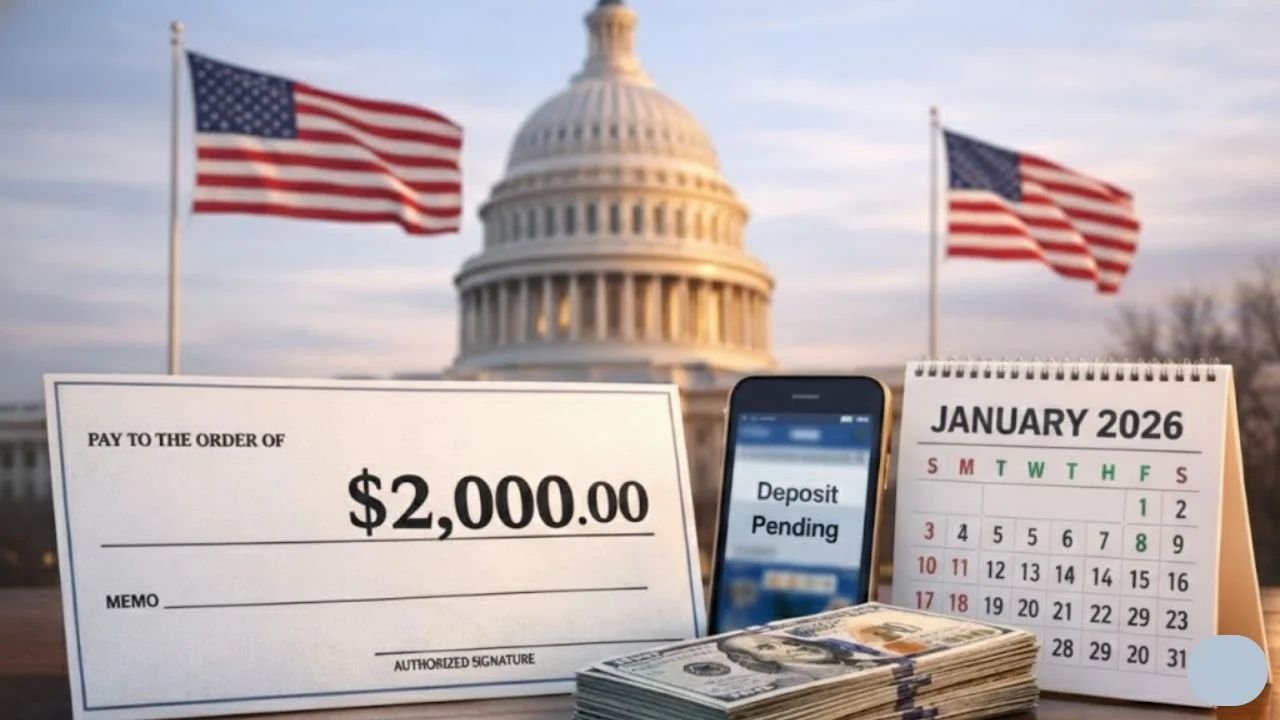
Talk of $2,000 federal checks arriving in January 2026 has been spreading rapidly across social media, video platforms, and online discussion groups. Headlines suggest that a new round of stimulus-style payments could be on the way, raising hopes for households still feeling the strain of higher prices on groceries, rent, utilities, and healthcare. For many families, an extra $2,000 would provide meaningful relief and short-term financial breathing room.
At the same time, it is important to separate confirmed information from speculation. While the idea of $2,000 federal checks is being discussed, nothing has been officially approved. Understanding where the proposal comes from, what it would require to move forward, and who might qualify if it ever becomes law can help set realistic expectations.
Where the $2,000 Federal Check Idea Comes From
The concept behind the proposed $2,000 checks is linked to discussions around tariff revenue. Some policymakers have suggested that money collected from import tariffs could be partially returned to Americans in the form of direct payments. Supporters frame this as a type of dividend, arguing that if trade policies generate significant revenue, households should share in the benefit.
This idea has drawn comparisons to pandemic-era stimulus checks, but the two are not the same. COVID-related payments were approved under emergency legislation during an unprecedented crisis. They were funded and structured under specific laws that allowed rapid distribution. The current $2,000 proposal would require an entirely new legal framework, along with clear rules on funding, eligibility, and payment delivery.
Current Status as of January 2026
As of now, no $2,000 federal checks have been approved. There is no enacted legislation authorizing such payments, and no official announcements from Congress, the IRS, or the U.S. Treasury confirming that checks or direct deposits are scheduled.
This means there are no payment dates, no finalized eligibility criteria, and no instructions for claiming money. Any real nationwide payment program would be accompanied by widespread official communication, including guidance on government websites and formal notices. None of that has happened yet.
If you have not received a payment labeled as a new federal stimulus or special relief check, you are not missing something that has already gone out.
Why Approval Is Not Simple
One of the biggest challenges facing the proposal is cost. Sending $2,000 to a broad segment of the U.S. population would require hundreds of billions of dollars. While tariff revenue does generate income, it is already part of the federal budget and used to fund various government operations.
Redirecting a large portion of that revenue to direct payments would require lawmakers to agree on how to cover the expense and how it fits into overall spending priorities. Budget deficits, inflation concerns, and long-term fiscal planning all factor into the debate.
There are also legal and economic uncertainties. Tariff policies have faced court challenges in recent years, and changes to trade rules could affect how much revenue is actually available. These factors make fast approval and quick payments less likely without strong political consensus.
Who Could Qualify If Payments Were Approved
Because no law exists yet, there are no official eligibility rules. However, based on how previous direct payment programs were structured, some general assumptions can be made.
Most federal payment programs include income limits. If $2,000 checks were ever approved, they would likely target low- and middle-income households, with benefits gradually reduced or phased out for higher earners. Eligibility would probably be based on adjusted gross income from recent tax returns.
The IRS could use existing tax records and direct deposit information to issue payments, similar to how past relief checks were handled. Dependents, filing status, and household size could also play a role, depending on how the program is designed. It is important to note that all of this remains speculative until actual legislation is introduced and passed.
Common Sources of Confusion
A lot of misunderstanding comes from timing. January is a month when many routine payments occur. Tax refunds for early filers, Social Security benefits, cost-of-living adjustments, and other federal payments can all hit bank accounts around the same time. When balances change, it can be easy to assume a rumored federal check has arrived.
Another major issue is misinformation. Claims that checks are already approved, that people must sign up quickly, or that fees are required to release funds are serious red flags. Legitimate federal payments do not require special registration through unofficial links, and government agencies never charge fees to issue benefits.
Lessons From Past Stimulus Payments
The stimulus checks issued during 2020 and 2021 shaped public expectations. Those payments moved quickly because Congress passed emergency laws and instructed agencies to act fast. The systems were already in place, and the urgency of the situation justified rapid distribution.
The current $2,000 proposal does not have that same emergency context or legal backing. Without legislation and funding in place, the process would naturally be slower and more complex. Comparing the two situations can lead to unrealistic assumptions about how quickly new payments could happen.
Potential Economic Impact if Approved
If a $2,000 federal check program were ever approved, the economic impact could be significant. Supporters argue that direct cash payments help families pay bills, reduce debt, and increase consumer spending. That spending can support local businesses and provide a short-term boost to the economy.
Critics, however, worry about inflation. Injecting large amounts of cash into the economy can increase demand for goods and services. If supply does not keep pace, prices could rise further. This balance between immediate relief and long-term economic stability is a key part of the ongoing debate.
What Americans Should Do Right Now
For now, the most practical approach is caution. Do not plan your budget around a $2,000 payment that has not been approved. If such a program ever becomes official, it should be treated as a bonus rather than guaranteed income.
It is still wise to keep your information up to date with the IRS. Filing taxes electronically, choosing direct deposit, and ensuring your contact and banking details are accurate can help with any future federal payments. Staying alert to scams and relying on official sources for updates is equally important.
The Bottom Line
The idea of $2,000 federal checks arriving in January 2026 has generated a lot of attention, but at this point it remains only a proposal. No law has been passed, no eligibility rules have been finalized, and no payment dates have been announced. While discussions continue, nothing is guaranteed.
Relying on verified government information and maintaining realistic financial expectations can help avoid confusion and disappointment. In a fast-moving online environment, understanding the difference between proposals and approved programs is more important than ever.
Disclaimer
This article is for general informational purposes only and does not constitute financial, tax, or legal advice. Government payment programs, eligibility requirements, and timelines can change based on legislation or policy decisions. Readers should verify information through official government sources or consult qualified professionals before making financial decisions based on potential federal payments.