
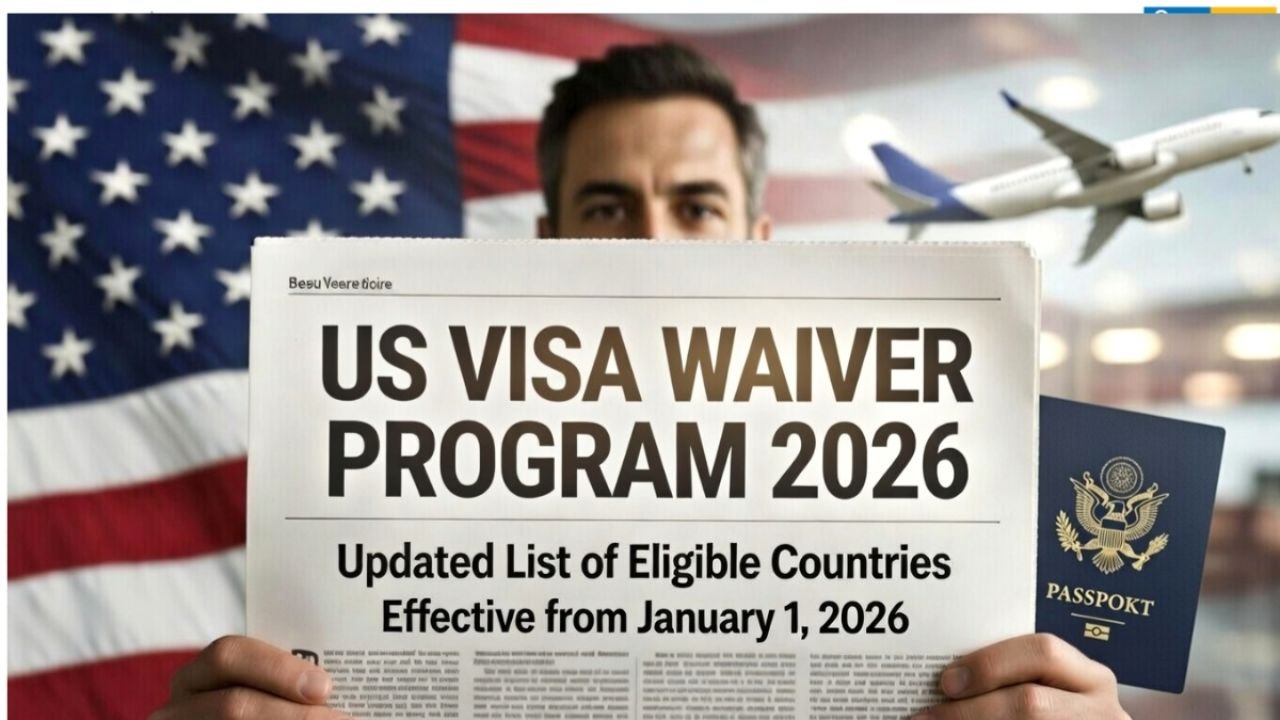
As 2026 begins, international travel to the United States continues to be shaped by the US Visa Waiver Program (VWP). For travelers holding passports from approved countries, the program offers a streamlined alternative to traditional visas, allowing short-term visits with an approved ESTA rather than lengthy embassy appointments and paperwork.
The Visa Waiver Program has grown increasingly important in the post-pandemic era, as global mobility rebounds and governments balance economic recovery with border security. Updates finalized in late 2025 now fully apply in January 2026, making it essential for travelers to understand eligibility, process changes, and potential risks.
The Role of the Visa Waiver Program in US Travel
The VWP was established to encourage legitimate short-term travel while reducing the administrative burden on US embassies. By January 2026, it covers 41 countries deemed low-risk by US authorities, based on visa overstay rates, document security, and intelligence cooperation. Citizens from these countries can travel to the US for tourism, business meetings, or transit for up to 90 days without a visa.
The program balances accessibility and security. While it facilitates smoother entry for trusted travelers, the Electronic System for Travel Authorization (ESTA) ensures pre-travel screening, allowing authorities to assess potential risks before travelers board flights. This dual approach has become a cornerstone of US border management.
Eligible Countries and Process Consistency
The list of eligible countries remains unchanged from late 2025, including the UK, Japan, South Korea, Germany, France, Italy, Australia, New Zealand, and most Western European nations. Travelers from these countries need a valid e-passport, an approved ESTA, and adherence to the 90-day limit.
US officials remain cautious about expansion. Nations seeking inclusion must demonstrate low overstay rates and robust cooperation on security data. Analysts note that while interest in the program is high, any additions in 2026 are likely to be gradual rather than sudden.
ESTA in 2026: Digital Screening and Efficiency
ESTA remains central to the program. Approvals are valid for two years or until passport expiration, whichever comes first, and can be used for multiple trips within the 90-day limit.
Under the Department of Homeland Security’s Secure Travel Initiative, ESTA screening has become more sophisticated. Broader data integration allows quicker approvals for low-risk applicants while flagging inconsistencies more effectively. As a former DHS advisor noted, “The goal isn’t to reject more travelers, but to identify risks earlier and reduce uncertainty at the border.”
Who Benefits and Who Still Needs a Visa
Frequent short-term travelers—tourists, business executives, and transit passengers—gain the most from the VWP. An ESTA costs $21 and typically takes minutes to complete, compared to traditional visa fees and lengthy processing times.
However, the program is not universal. Permanent residents of VWP countries, travelers with certain criminal records, prior immigration violations, or recent visits to restricted nations (Iran, Syria, North Korea) must still obtain a B1/B2 visa. ESTA eligibility is closely tied to security compliance.
Economic and Social Impact
Economically, the VWP contributes significantly to US tourism revenue, especially from Europe and East Asia. Airlines report stronger bookings from VWP countries, reflecting traveler confidence in predictable entry.
Socially, the program supports family visits, academic exchanges, and cultural connections that might otherwise be delayed. Predictable ESTA approvals provide stability for travelers and the tourism sector alike.
Common Reasons for ESTA Refusals
Although approval rates remain high, refusals occur. Common causes include inconsistent personal details, outdated passports, undisclosed overstays, or discrepancies between airline bookings and ESTA records. Travel consultants stress accuracy, noting that data submitted online feeds directly into US border systems. Denied applicants are not barred from travel but must apply for a standard visa.
Looking Ahead: Potential Expansion
Speculation about new countries joining the VWP continues. Eastern European and Latin American nations have expressed interest, but US policymakers remain cautious. Any expansion requires legislative approval and sustained compliance metrics over several years.
Experts expect incremental improvements rather than dramatic growth in eligibility. Enhanced data sharing, faster processing, and clearer guidance are more likely than sudden additions of new countries. For travelers, the message is clear: the VWP is stable, reliable, and tightly regulated, though it continues to evolve.
Disclaimer: This article is for informational purposes only and reflects publicly available policies as of January 2026. Visa Waiver Program rules, ESTA requirements, fees, and eligibility criteria are subject to change by the US Department of Homeland Security. Travelers should always verify details through official US government sources or consult authorized immigration professionals before making travel plans.